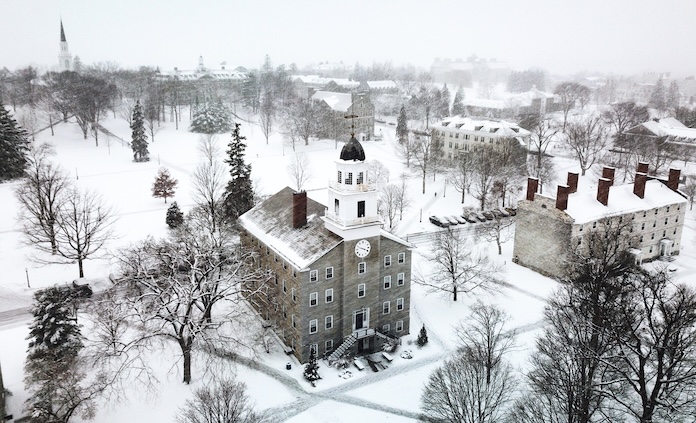
Winter is a pivotal, but often misunderstood, season in the college admissions journey.
For seniors, it’s often a moment of waiting: decisions, deferrals, or next steps. For younger students, it’s a quieter planning window that lays the foundation for future success.
At Top Tier Admissions, we think of winter not as a sprint, but as a strategic reset—a time to clarify priorities, build momentum, and establish habits that make the months ahead calmer and more effective.
Below, we outline what students should focus on during the winter months by grade level, along with the kinds of steady practices that support meaningful progress without burnout.
High School Seniors
Reflection, Forward Motion and Decision Readiness
For seniors, winter often brings emotional highs and lows: early decisions, deferrals, denials, and Regular Decision deadlines.
Key Winter Priorities
- Celebrating early acceptances and weighing early options
- Responding strategically to deferrals and denials
- Preparing for interviews and thoughtful follow-up
- Keeping up grades and leadership
This is not the moment to overhaul everything. It’s the moment to stay regulated and focused.
Effective winter practices for seniors include:
- Using single-focus work blocks for school assignments
- Keeping a forward-motion list for moments of uncertainty
- Tracking daily wins to maintain confidence
- Protecting quiet time for reflection so decisions feel intentional
Winter progress at this stage is about finishing strong without burning out.
College Essay Guidance
Experience personalized, expert guidance to elevate your college essays and secure your spot at top universities.
High School Juniors
Clarity, depth and early momentum
For juniors, winter is one of the most valuable windows in the admissions timeline.
Key Winter Priorities
- Reviewing academic trajectory and course rigor
- Clarifying intellectual interests and areas of potential depth
- Researching colleges and planning campus visits
- Planning a strategic summer
The students who use this season well enter spring with confidence and direction.
Strong winter practices include:
- A weekly planning ritual to protect thinking and writing time
- A regular offline clarity hour for deeper idea development
- An analog notebook for brainstorming questions and projects
Application Boot Camp®
Need strategic guidance from start to finish?
High School Sophomores
Exploration and Academic Intention
Sophomore winter is often overlooked, but it plays a meaningful role in shaping the years ahead.
Key Winter Priorities:
- Reflecting on which classes and subjects are most engaging
- Thinking intentionally about next year’s course selections
- Exploring extracurricular interests
- Building focus, time-management, and self-awareness
At this stage, the goal is not applications, it’s directional clarity and skill-building.
Helpful Winter Habits include:
- Creating your top three goals each week (academic, wellness, personal growth)
- Establishing consistent focus windows for schoolwork
- Using short outdoor breaks to support attention and regulation
- Beginning light reflection practices to notice growth over time
These skills compound, and reduce stress later on.
Executive Functioning Tutoring & ADHD Support
Guiding students to their full potential.
High School Freshmen
Building Habits that Last
For freshmen, winter is about adjustment and foundation-setting.
Key Winter priorities:
- Learning how to manage increased academic expectations
- Developing routines that balance school, activities, and rest
- Exploring interests without overcommitment
- Building confidence through consistency
This is an ideal moment to introduce habits that support focus and follow-through.
Effective winter practices include:
- One focused homework window at a time
- Simple weekly planning to anticipate busy days
- Tracking small wins to reinforce effort
- Practicing device-free breaks to protect attention
- Working with an Executive Function coach
The habits built now often shape the entire high school experience.
College Private Counseling
Unlock your full potential.
Middle School Students
Curiosity, Confidence, and Capacity-building
For middle school students, winter should not be about college preparation.
But it is a critical time for building the skills that will eventually support it.
Key winter priorities:
- Strengthening attention and follow-through
- Developing routines that support learning and rest
- Exploring interests with curiosity and enjoyment
- Building confidence through achievable goals
This stage is about capacity, not credentials.
Healthy winter practices for middle schoolers include:
- Short, device-free walks or outdoor breaks
- One focused homework window at a time
- Writing down weekly accomplishments—academic or personal
- Monthly reflections on what felt interesting, challenging, or satisfying
These practices help students develop attentional stamina, intrinsic motivation, and self-trust—qualities that matter far more than early acceleration.
Top Tier Futures
Strategic Consultation & Action Plan
Why winter matters more than you’d think
Winter rarely comes with visible milestones. There are fewer accolades and fewer checklists.
But it is one of the most powerful seasons for:
- Resetting overwhelmed systems
- Establishing sustainable routines
- Clarifying direction before spring intensity
- Building confidence quietly, over time
At Top Tier Admissions, we see again and again that students who use winter intentionally don’t just feel calmer—they make better decisions, write with more depth, and move through the process with steadier momentum.
Progress in college admissions is built through small, consistent actions, especially in seasons like this one.
Want to stay in the loop? Follow us on Instagram @toptieradmissions and subscribe to our blog for expert advice and admissions insights.
Know someone else navigating the college process? Pass it along — they’ll thank you later!