
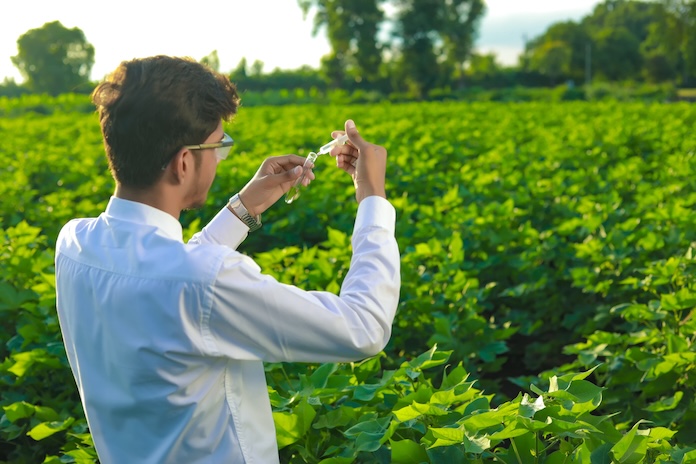
Students who pursue Environmental Science/Studies in college have the opportunity to combine biology, chemistry, and earth sciences with social sciences (such as public policy and economics) to address contemporary environmental issues. Often, Environmental Science majors go on to advocate for environmental justice concerns, contribute to city planning, or propose sustainable solutions to pressing problems. This major is a great path for someone who cares about climate change, geology, pollution, or managing natural resources. It is also a practical and growing professional field. According to the Bureau of Labor Statistics, jobs in environmental science are projected to grow 11% over the next ten years.
At many large research universities, prospective students have a choice when it comes to the degree they wish to pursue: the Bachelor of Arts (B.A.) or Bachelor of Science (B.S.) in Environmental Studies. These majors are similar in design but may impact a student’s long-term career goals. The B.A. degree is more interdisciplinary, integrating courses in the humanities as well as the natural sciences. The B.S. degree, on the other hand, is meant to train future scientists and often includes more chemistry, calculus, biology, and physics courses. If you hope to pursue a career in city planning, law, environmental economics, or business, the B.A. degree is a great path. If you are more interested in gaining laboratory experience, however, or aspire to work in the field as a soil scientist or wildlife biologist, the B.S. degree would be a more suitable choice.

Personal Application Boot Camp®
Three days of one-on-one work with a Senior Counselor from the Application Boot Camp® team.
STRONG PROGRAMS IN ENVIRONMENTAL STUDIES
To learn more about this major, take a look at these ten impressive programs:
Pomona College
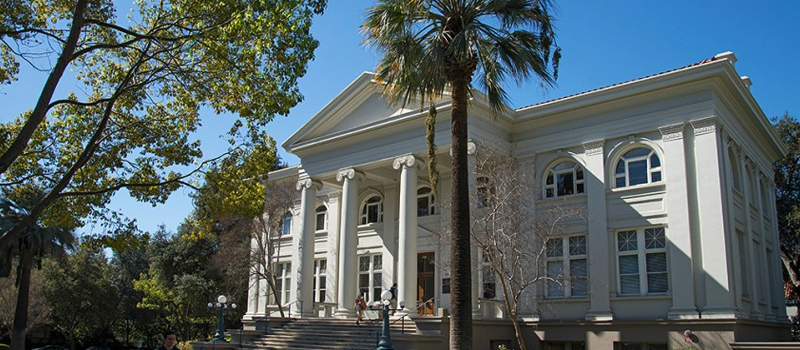
Pomona, one of the seven colleges sharing a campus in Claremont, California, offers a signature program in Environmental Analysis. This interdisciplinary approach to environmental studies includes core classes on topics such as environmental history and science and allows students to pursue a track in either Environmental Science or the Environment and Society. Topics of study include sustainability and the built environment, environmental economics, environmental values, race, class, and gender, human behavior, and natural sciences (geology, physics and engineering, biology, mathematics, chemistry). Students may also create their own course plan, in conversation with a faculty member. EA students often take advantage of Pomona’s Organic Farm and study abroad in programs that focus on environmental issues.

Essay Guidance
Get our expert guidance on your college essays.
Colorado College
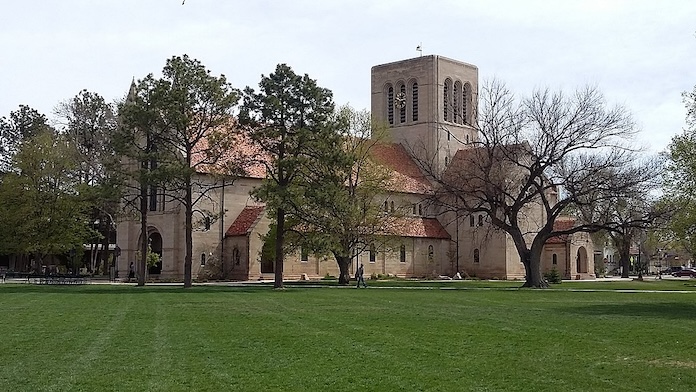
Colorado College’s Environmental Studies Program includes two integrated majors: Environmental Science and Environmental Studies, which use a range of scientific disciplines to investigate how humans interact with the environment. Prospective students might be interested in CC’s unique track in Environmental Chemistry, which focuses on topics such as toxicology, the ozone hole, and waste disposal. For students who want to get involved in sustainable initiatives outside the classroom, there are many opportunities to promote peer-to-peer education on sustainable living practices, get involved with the off-campus compost program, or join the Campus Sustainability Council, an advisory committee appointed by and reporting to the President’s Office.
University of Southern California
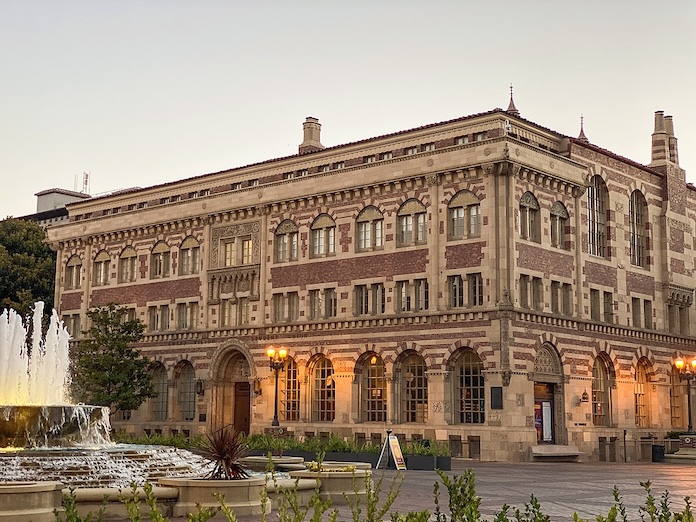
Two concentrations are available at USC within the Environmental Studies B.A. degree: Science and Management and Policy and Management. Within the Environmental Studies B.S. degrees, students can choose to focus on Sustainability and Society, Oceans and People, Climate and Environment, or Environmental Policy. Students may also take advantage of USC’s climate and coastal location by taking classes in the field like “Intro Sci-Diver Course,” an opportunity to study the physics and physiology of scuba diving and train to conduct research dives. Many USC students also pursue international study through intensive courses like the four-week seminar, “Environment and Governance: International and National Policymaking in Berlin, Bonn, and Amsterdam,” which takes place in the Netherlands and Germany and is led by two USC professors.
Middlebury College
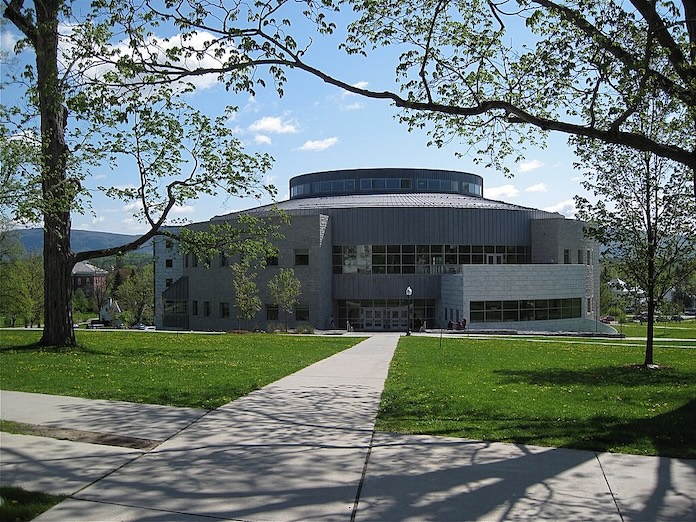
The Middlebury College Environmental Studies Program, founded in 1965, is the oldest undergraduate Environmental Studies program in the United States. In keeping with Middlebury’s reputation for internationalism and strong study abroad programs, two-thirds of all Environmental Studies majors spend at least one semester in Europe, Asia, Africa, Latin America, or Australia. Students are required to take three introductory core courses, Natural Science and the Environment, Conservation and Environmental Policy, and Nature’s Meanings: The American Experience. They may then select a focus out of fourteen disciplines: Conservation Biology, Environmental Chemistry, Environmental Geology, Conservation Psychology, Environmental Economics, Environmental Policy, Geography, Human Ecology, Architecture and the Environment, Creative Arts, Environmental History, Environmental Nonfiction, Literature, Religion Philosophy and the Environment.

Academic Tutoring
Our tutors offer customized tutoring designed to fit the needs of each student.
University of California-Santa Barbara
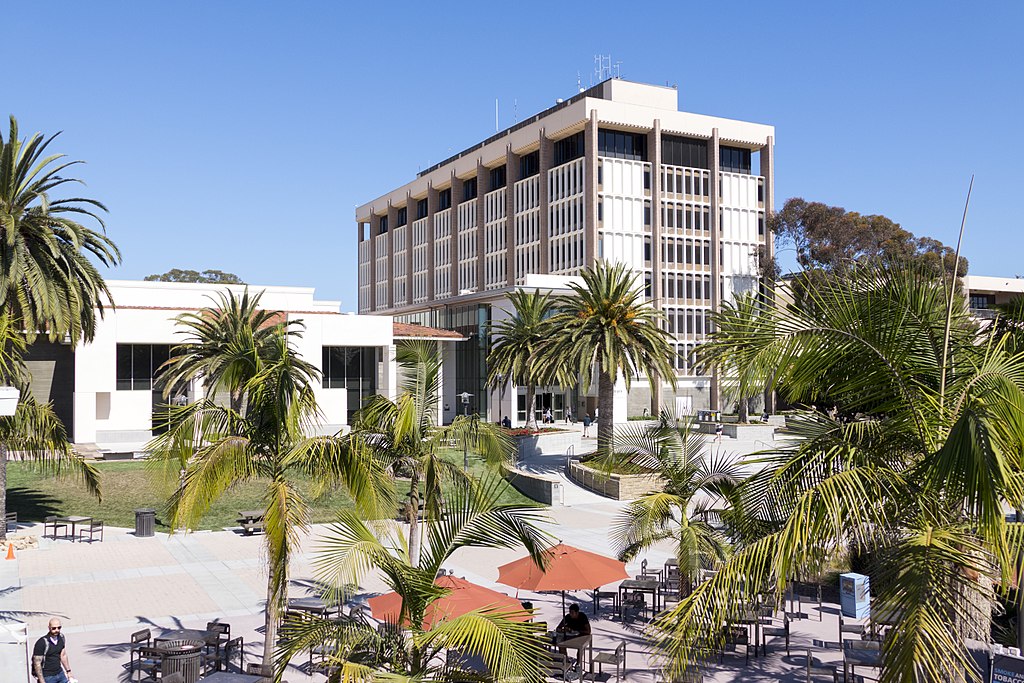
Students at UCSB benefit from the university’s location along the Pacific coast and have many opportunities to pursue field studies and research opportunities both on and off campus. The Environmental Studies Program offers three undergraduate degrees: the B.A. and B.S. degrees in Environmental Studies and a unique major in Hydrological Sciences and Policy. This major provides a scientific study of hydrologic problems from an interdisciplinary perspective (integrating ecology, marine biology, chemistry, geography, and Earth science). Students in this major select one of the following three emphases: biology and ecology, physical and chemical sciences, or policy. Environmental Studies students are also encouraged to complete part of their undergraduate study through the University’s Education Abroad Program (EAP) or UC’s Washington Center or Sacramento Center programs. Students with an interest in environmental policy and advocacy enjoy studying at UCSB’s Washington Center, where they can gain real work experience via political and NGO internships.
University of Vermont
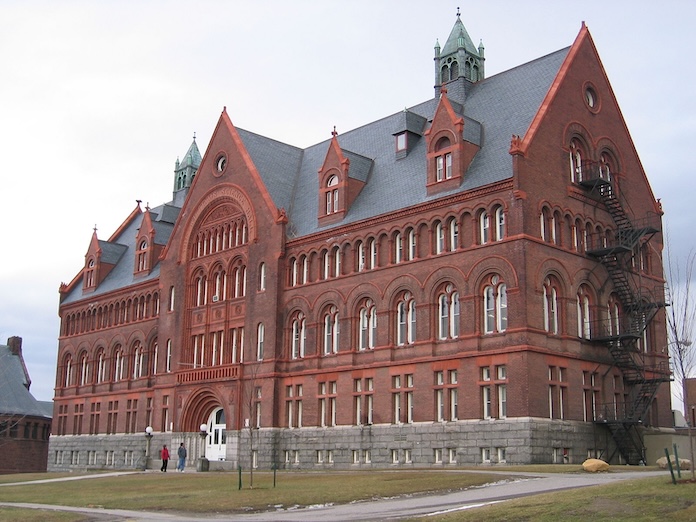
The University of Vermont, located near Lake Champlain and the Green Mountains, offers students many opportunities to engage in independent studies, field work, and laboratory research on site. Within the broad Environmental Sciences major, students are asked to choose a concentration and build a more specific expertise. By junior year, students select between the following options: Agriculture and the Environment, Conservation Biology and Biodiversity, Ecological Design, Environmental Analysis and Assessment, Environmental Biology, Environmental Geology, Environmental Health, Global Environmental and Climate Change, and Water Resources. Students may also work with their advisor to design their own track and environmental focus.
Colby College
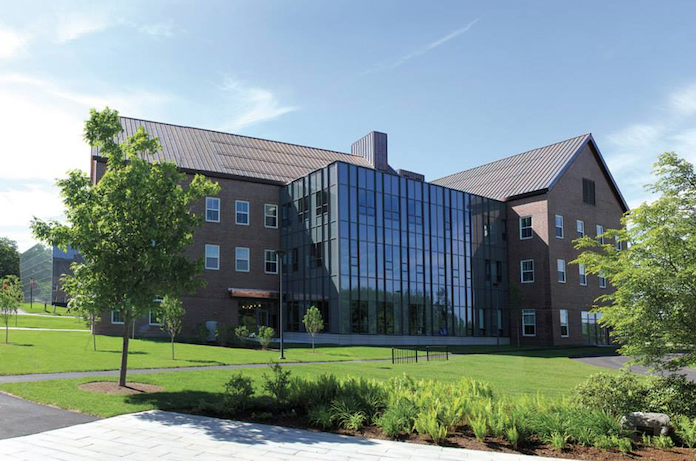
As one of the oldest Environmental Studies programs in the country, Colby has a longstanding reputation for its strength in this area. In addition to the Environmental Studies major, students may pursue interdisciplinary majors in environmental policy, environmental science, and environmental computation. ES students have the opportunity to advocate for campus sustainability through the Environmental Advisory Group or work with environmental partners in the larger Maine community, such as the Schoodic Institute at Acadia National Park and the Bigelow Laboratory for Ocean Sciences. High-achieving majors may apply for the Environmental Studies Honors Research Program, which includes an oral presentation at the Colby Undergraduate Research Symposium, a successful oral thesis defense, and an approved thesis.

College Private Counseling
Develop an organized and effective application strategy that leverages your academic and extracurricular experience to stand out.
University of Colorado, Boulder
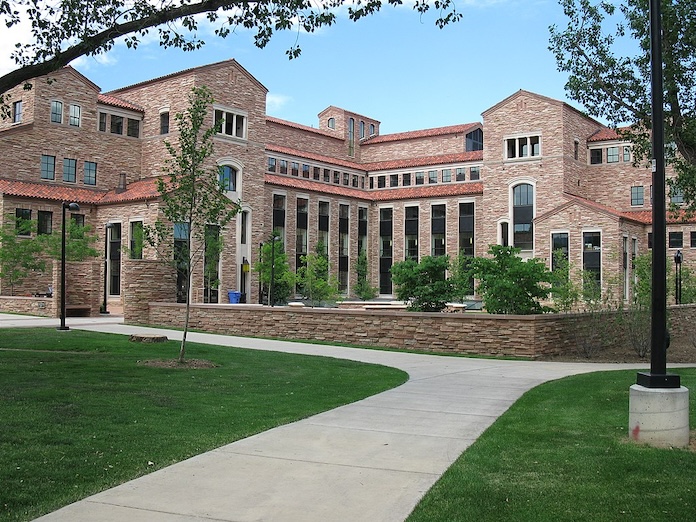
The UC Boulder ENVS major includes courses in sciences, policy, ethics, economics, writing and math, as well as an internship or field course, and a capstone course. Throughout their four years, students also specialize in a content area of their choosing such as climate, energy, hydrology, or sustainable development. Prospective students can email Arts & Sciences Recruitment before their campus visit to arrange a tour with a Student Ambassador and/or the opportunity to meet with an ENVS advisor to learn more about the major. This is a great way to show demonstrated interest and to gain a better understanding of the course options and research possibilities. UC Boulder is also home to the Sustainability, Energy and Environment Community (SEEC), where high-level environmental and sustainability research takes place.
University of Maine
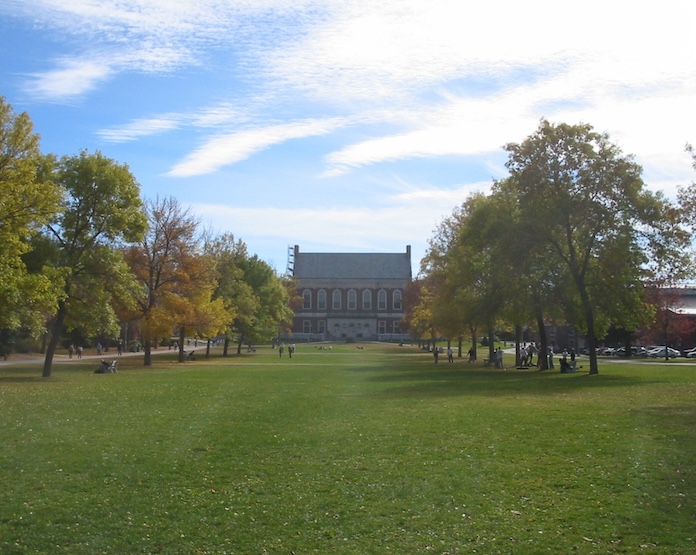
UM’s Ecology & Environmental Sciences Program (EES) encourages students to explore research opportunities and take advantage of Maine’s unique landforms, flora, and fauna. This interdisciplinary B.S. degree includes training in both the natural and social sciences. Students may also elect to minor in Ecology and Environmental Science or minor in Soil Science—a unique opportunity to study the science of soil morphology, mineralogy, and organic matter management.
University of Washington, Seattle
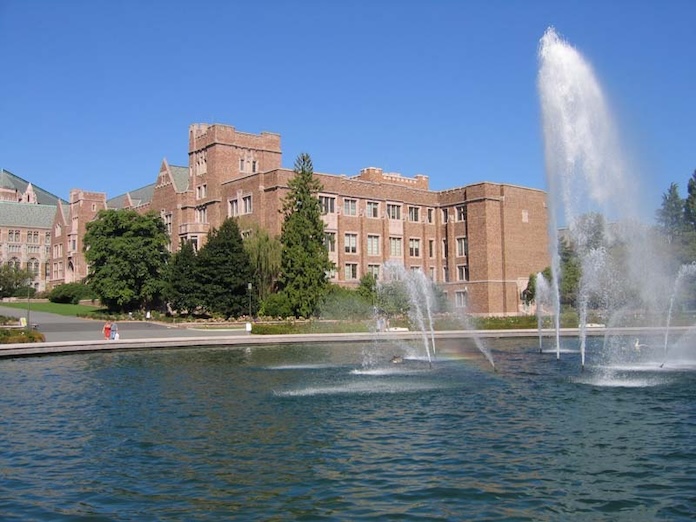
UW’s Program on the Environment, housed within the College of the Environment, offers a collaborate, flexible approach that allows each student to design their own educational trajectory based on their interests, culminating in a capstone project senior year. This final project (which can be done individually or as a team) includes an internship with a community partner (often a nonprofit or private sector company), a study abroad experience, or a research project with a member of the faculty. Students must produce both a written deliverable and complete a professional/hands-on experience by the end of the program, which serves as effective training for graduate study or a career in environmental studies. UW’s location in the Pacific Northwest offers a unique setting for students to study urban development, waste disposal, and ecosystem restoration, among many other fields.
Do you have what it takes to be a competitive applicant for these (and other) environmental studies programs? Contact us today and learn how we can help you on your admissions journey through private counseling, test prep, or essay guidance. If these programs, concentrations, and majors appeal to you, you might be particularly interested in one-on-one academic tutoring with one of our expert environmental science tutors.
If you enjoyed this post, follow us on Instagram @toptieradmissions for more tips and subscribe to our blog for expert insights & college admissions news!
- Johns Hopkins Supplemental Essay 2026-2027 - October 9, 2026
- Get to Know College Admissions Expert, Kayte Hager - October 1, 2026
- U.S. News College Rankings 2027: MIT Is No. 1, Princeton Drops - September 22, 2026