
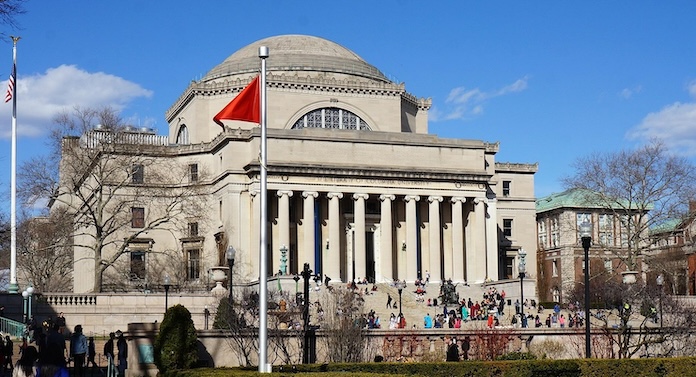
The Ivy League, long considered a bastion of academic prestige, has recently become a focal point of leadership turnover, with significant transitions impacting over half of its institutions in the past six months. Interim presidents now lead several of these schools, as resignations, political pressures, and campus unrest have challenged the stability of their administrations. These changes come at a time when universities face financial difficulties, campus polarization, and declining public trust.
The role of a college president, long considered one of the most prestigious positions in academia, has become increasingly fraught in today’s polarized climate. Recent controversies, such as the mass campus protests following the war in Gaza and the fallout from testimony on antisemitism, have led to high-profile resignations, including Claudine Gay at Harvard, Minouche Shafik at Columbia, and Liz Magill at Penn. These tumultuous departures, often unceremonious, have raised critical questions about the sustainability and appeal of these leadership roles.
A combination of factors makes the job more precarious than ever. Leaders face intense scrutiny from multiple stakeholders—students, faculty, donors, and the public. The increasing adoption of institutional neutrality policies is another pivotal shift. Schools like Penn, Harvard, and Stanford have curtailed sociopolitical statements, aiming to depoliticize their administrations amidst divisive national and global issues. While such measures may mitigate some controversies, they risk alienating communities that value university leadership on critical societal challenges, such as climate change and racial justice.
For those still interested in pursuing a presidency, resilience and clarity of purpose are key. As Marjorie Hass, president of the Council of Independent Colleges, points out, successful leaders must navigate challenges with creativity and vision, often in resource-constrained environments. At the same time, institutional support is still paramount. Boards must demonstrate courage in backing transformative leaders, especially those from underrepresented backgrounds, if they are to address the growing diversity within academia effectively.
Over the past five years, the Ivy League has experienced significant changes in its leadership, with a notable increase in female presidents and a focus on addressing contemporary challenges such as student mental health, free speech, and campus activism.
IVY LEAGUE PRESIDENTIAL CHANGES: LEADERSHIP IN TRANSITION
Below is a snapshot of these recent transitions, including some leadership challenges and goals for the future at each Ivy League school:
Harvard University
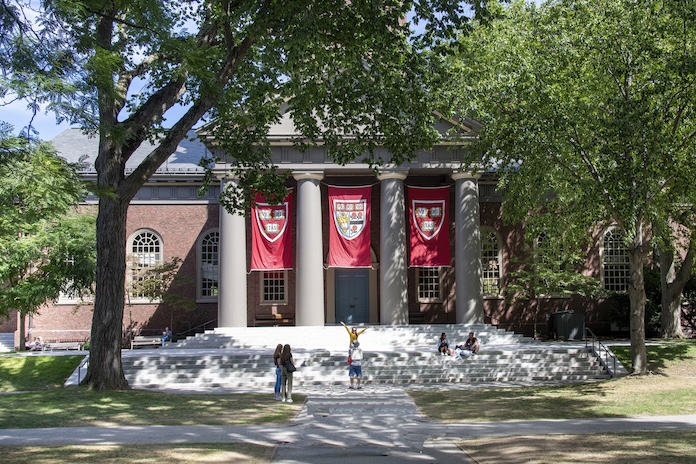
Current President: Alan Garber (2024–2027*)
*Harvard states that a full-scale search for his successor will begin in the late spring or summer of 2026
Past President: Claudine Gay (2023–2024), Lawrence Bacow (2018–2023)
- Leadership Transition: Claudine Gay resigned in December 2024 following contentious congressional hearings regarding antisemitism on campus. She was replaced by Alan Garber, previously Harvard’s provost, who will serve as president until June 2027.
- Goals: Harvard aims to stabilize leadership while addressing social inequities, academic freedom, and campus activism. A permanent successor search is set for late spring 2026.
Yale University
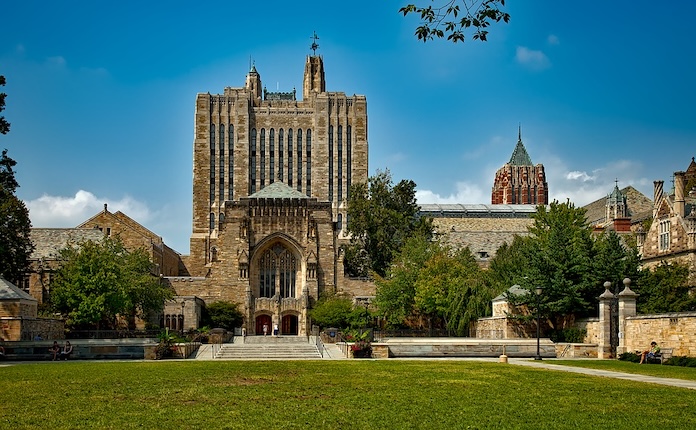
Current President: Maurie McInnis (2024–present)
Past President: Peter Salovey (2013–2024)
- Leadership Transition: McInnis, appointed in May 2024, has taken the helm during a time of nationwide campus unrest.
- Goals: McInnis plans to expand Yale’s research capabilities, enhance student mental health resources, and foster a more inclusive campus culture.
Columbia University
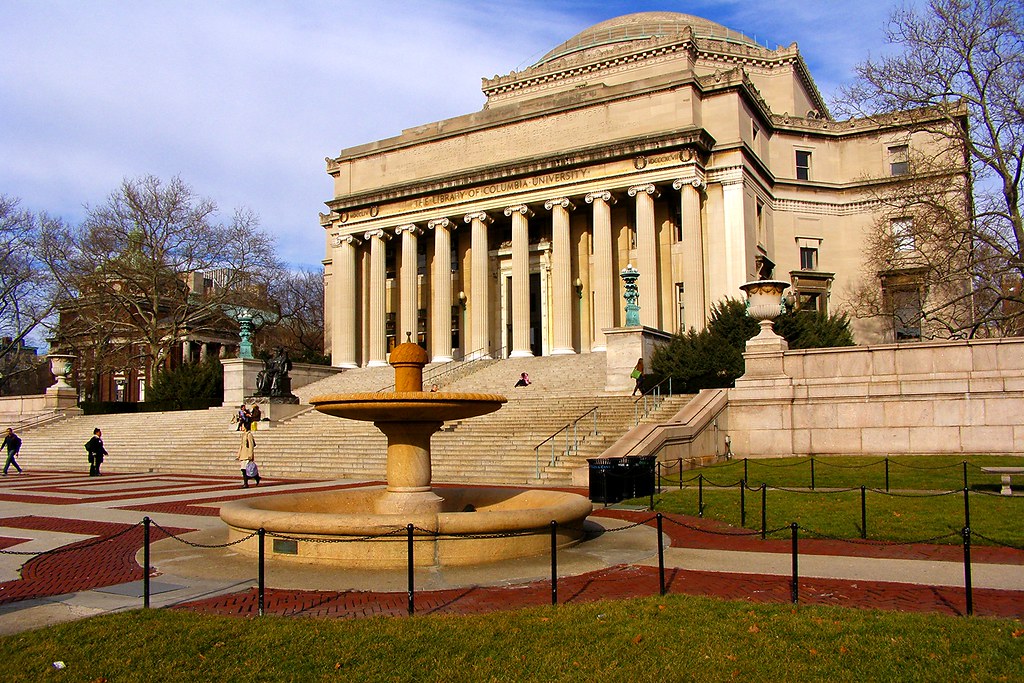
Current President: Katrina Armstrong (Interim, 2024–present)
Past President: Minouche Shafik (2023–2024), Lee Bollinger (2002–2023)
- Leadership Transition: Shafik resigned abruptly following criticism of her handling of pro-Palestinian demonstrations on campus. Katrina Armstrong, CEO of the Columbia University Irving Medical Center, stepped in as interim president.
- Goals: Armstrong will focus on rebuilding trust within the Columbia community and addressing campus tensions while ensuring the institution’s financial stability.
University of Pennsylvania

Current President: J. Larry Jameson (Interim, 2023–present)
Past President: Liz Magill (2022–2023), Wendell Pritchett (2022-2022), Amy Gutmann (2004–2022)
- Leadership Transition: Magill stepped down after contentious congressional hearings. Jameson, previously the dean of Penn’s Perelman School of Medicine, has assumed interim leadership.
- Goals: Jameson is expected to stabilize leadership and strengthen the university’s public service and academic research initiatives.
Dartmouth College

Current President: Sian Beilock (2023–present)
Past President: Philip Hanlon (2013–2023)
- Leadership Context: Beilock, Dartmouth’s first female president, and former president of Barnard College in NYC, brings a background in psychology to her leadership.
- Goals: She has prioritized mental health services, inclusivity, and the advancement of academic excellence.
Cornell University
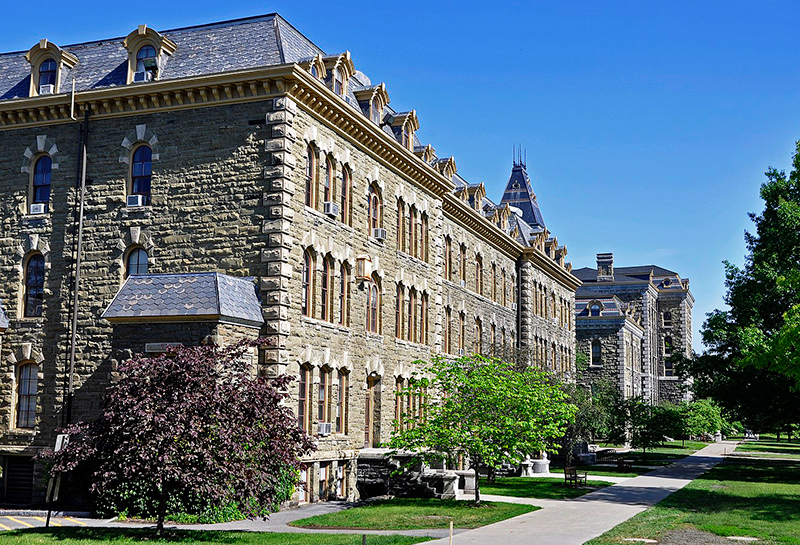
Current President: Michael I. Kotlikoff (Interim, 2024–2026)
Past President: Martha Pollack (2017–2024)
- Leadership Transition: Pollack announced her retirement in May 2024, leading to Kotlikoff’s appointment as interim president.
- Goals: Kotlikoff aims to maintain institutional stability, support faculty research, and ensure student success during his tenure.
Princeton University

Current President: Christopher Eisgruber (2013–present)
- Leadership Context: Eisgruber remains one of the longest-serving Ivy League presidents, with an emphasis on financial aid, diversity, and sustainability.
- Future Focus: Strengthening interdisciplinary research and preparing Princeton to address global challenges like climate change remain top priorities.
Brown University
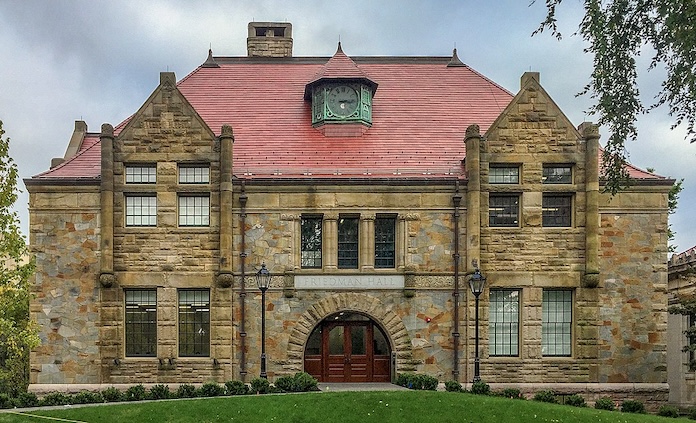
Current President: Christina Paxson (2012–present)
- Leadership Context: Paxson is the most tenured Ivy League president and has guided Brown through challenges like the COVID-19 pandemic.
- Future Focus: Brown will continue its focus on interdisciplinary research and addressing societal issues such as climate change and health equity.
KEY TRENDS IN LEADERSHIP
- Increased Interim Leadership: Columbia, Harvard, Penn, and Cornell are now led by interim presidents, reflecting significant instability.
- Resignations Tied to Political Pressure: The fallout from congressional hearings regarding antisemitism played a major role in the resignations of Gay (Harvard), Magill (Penn), and Shafik (Columbia).
- Focus on Stability and Inclusivity: Interim leaders are tasked with rebuilding trust, fostering inclusivity, and addressing the financial and cultural challenges within their institutions.
- Future Goals: Across the board, Ivy League universities are prioritizing interdisciplinary research, climate action, mental health, and social equity.
WHAT COLLEGE APPLICANTS SHOULD KEEP IN MIND
For prospective college students and their families, paying attention to transitions in university leadership is crucial. The leadership of a school reflects its core values and priorities, which can directly impact the academic experience, campus culture, and long-term institutional direction. As Ivy League universities undergo significant changes in their leadership, the decisions made by new presidents and interim leaders will shape everything from academic policy to student life. A school’s response to challenges such as campus activism, social justice movements, and financial pressures reveals not only the direction of its administration but also its broader institutional goals. For students, understanding these shifts can help them assess whether a university’s evolving priorities align with their own academic interests, values, and aspirations.
If you enjoyed this post, follow us on Instagram @toptieradmissions for more tips and subscribe to our blog for expert insights & college admissions news!